
Year End Party and Gala Dinner – Similar and Different?
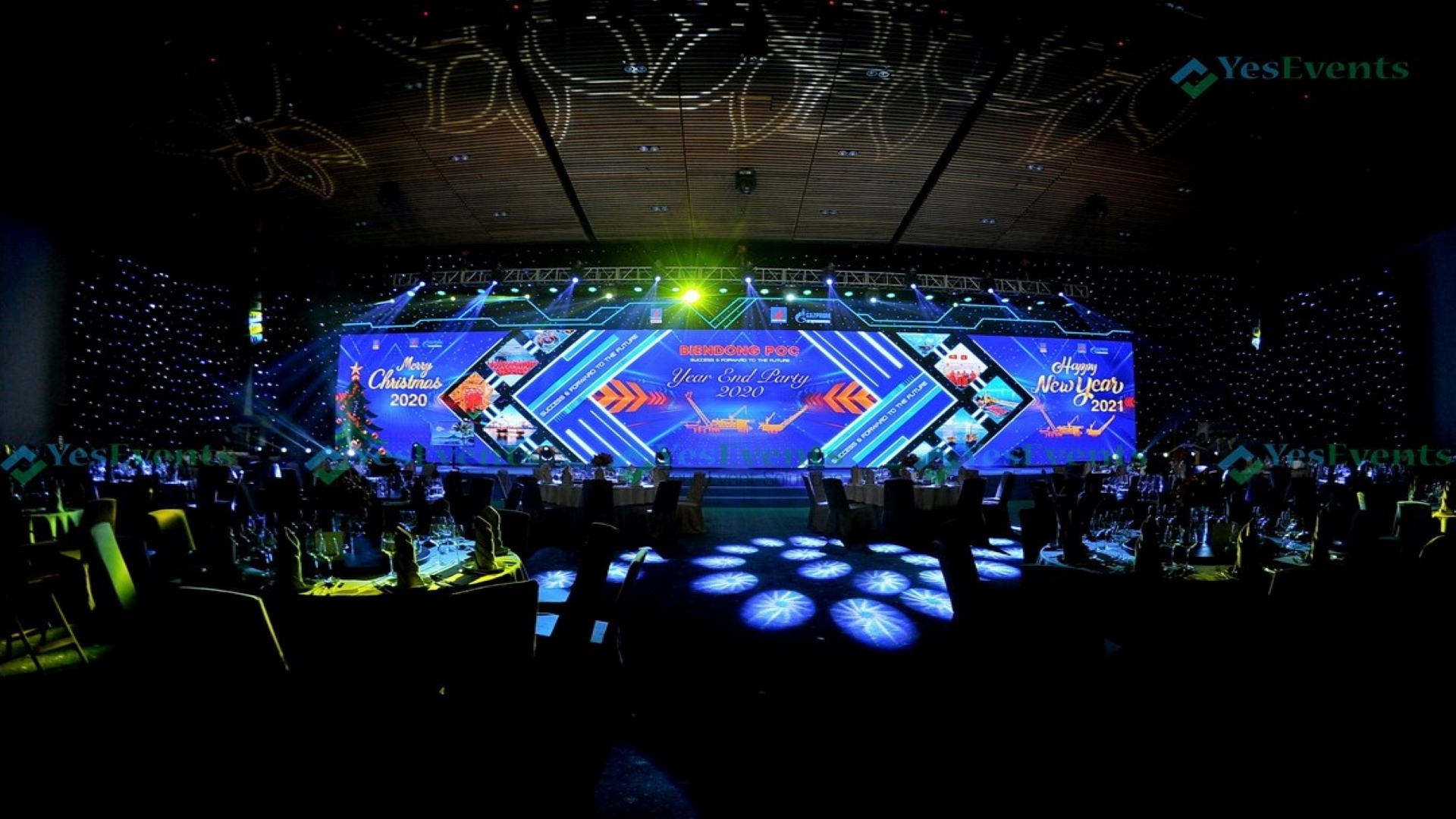
| Date: 30/11/2025, 03:31 AM |Regarding organizing a Year End Party and a Gala Dinner, these two types of events may seem almost identical. In reality, while they share many similarities, they also have distinct characteristics in terms of purpose, content, format, and the emotions they evoke.
Similarities
- Formal Nature and Scale: Both year-end parties and gala dinners are formal events, usually held in the evening in an elegant and sophisticated setting. The scale can range from a few dozen to several hundred attendees, depending on the size of the business or organization.
- Goals of Connection and Appreciation: Both types of events aim to foster internal connections and express gratitude to employees, partners, and customers after a year of work. They are occasions for everyone to reflect on the journey, share achievements, and build motivation for the new year.
- Similar Program Structure: A year-end party or gala dinner typically includes guest reception, speeches, recognition, dining, artistic performances, interactive games, and lucky draws. Entertainment and connection are essential elements in both events.
- High Demand for Professional Organization: Whether it’s a year-end party or a gala dinner, organizing requires meticulous preparation from ideation, stage design, sound and lighting to personnel coordination and program management. A successful event is not only visually appealing but also smooth in experience.
Differences
- Purpose of Organization:
- Year End Party is usually internal, dedicated to company employees. The main goal is to review the year’s activities, honor outstanding individuals, create a joyful atmosphere, strengthen bonds, and close out the work year.
- Gala Dinner often has a more external focus, organized to welcome customers, partners, investors, or as part of larger events like conferences or exhibitions. Gala dinners emphasize brand image and representation.
- Emotional Tone:
- Year-end parties are typically lively, friendly, and intimate. Entertainment acts, games, and interactive segments are designed to create laughter and connection among members.
- Gala dinners lean towards elegance, sophistication, and class. Music, lighting, and décor are carefully selected to create an artistic atmosphere and showcase the company’s prestige.
- Attendees:
- Year-end parties are mainly for internal staff, sometimes including family or close guests.
- Gala dinners usually involve senior leaders, customers, partners, investors, media, etc., so there are higher requirements for formality and ceremony.
- Communication Message:
- Year-end parties focus on internal messages of appreciation, encouragement, and connection.
- Gala dinners aim to build brand image, demonstrate professionalism and class, and make an impression on external audiences.
Conclusion
From the perspective of an event organizer, both year-end parties and gala dinners are important events, but they should be designed and executed according to the right objectives and target audience. Distinguishing between the two helps businesses choose the appropriate format, thereby optimizing communication effectiveness and participant experience.
Whether it’s a year-end party or a gala dinner, the most important factors are thorough preparation, creative ideas, and professional execution. A successful event not only leaves a lasting impression but also enhances brand value and team spirit.
Please contact Event Management Company YesEvents – Ho Chi Minh city | Da Nang | Phu Quoc
Email: welcome@yesevents.vn
Tel: 028 73018019 | 090 8175819 (Tam)
Other news
- Grand Opening Ceremony and Inauguration Ceremony – Different and Similar?
- Event Insurance – A Safety Solution for Professional Event Organizers
- What Is MICE & Incentive Trips?
- Types Of Events
- What Is The Reliable Event Company?
- Which Online Platform Should an Event Company Advertise On?
- Can ChatGPT Assist Event Companies?
- Writing Event Proposal for Corporate with HSSBC Method
- Event Proposal & Maslow's Hierarchy of Needs
- Conference and Meeting | What is Different?